
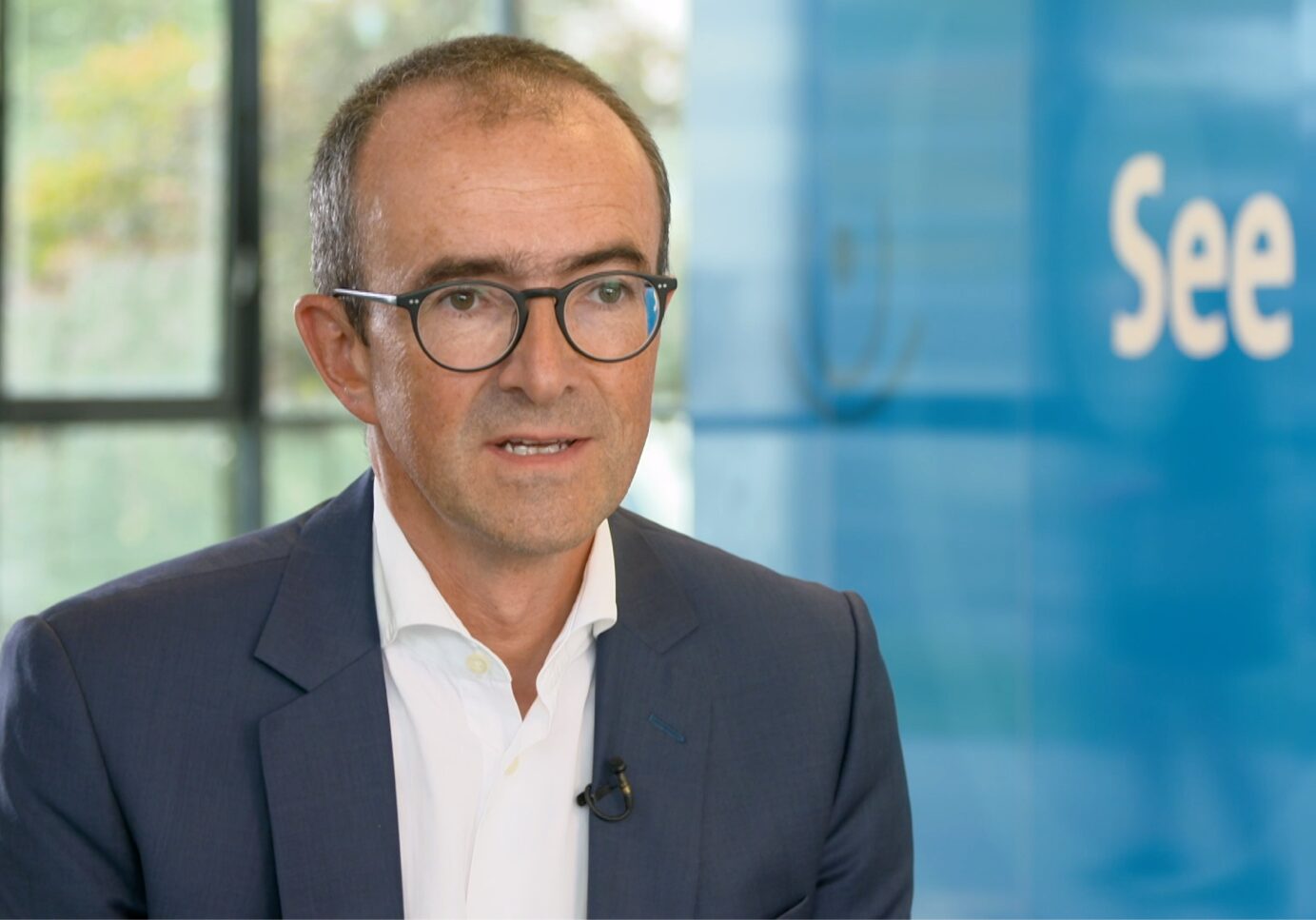
Wolf Lagrèze studied medicine at the University of Frankfurt and completed his doctorate at the Max Planck Institute for Brain Research in the Department of Neurophysiology under the supervision of Prof. Wolf Singer. In 1992, he began his specialist training at the University Eye Clinic in Freiburg. In 1995, he completed a clinical fellowship in Neuroophthalmology at Harvard Medical School in Boston and qualified as a professor of ophthalmology in 1999 with a thesis on neuroprotection in the retina. In 2000, he took over from his clinical teacher Prof. Guntram Kommerell as head of the Department of Neuroophthalmology and Strabismus, together with the management of the Freiburg School of Orthoptics. In 2008, he founded the Interdisciplinary Centre for Orbital Diseases. Prof. Lagrèze is a broadly qualified ophthalmic surgeon with > 14,000 procedures, half intraocular and half extraocular. His current portfolio includes intraocular surgery for infants and young children as well as patients with eye movement disorders. In the orbit, he performs procedures on complex tumors and inflammatory diseases.
After 20 years of basic research on the neuroprotection of retinal ganglion cells, partly funded by the DFG, he coordinated the interdisciplinary, multicentre clinical TONE study funded by the BMBF with the aim of translating preclinical therapeutic approaches into the clinic. At the same time, he has expanded his profile in recent years with his research on myopia in children. He is currently coordinating the DFG-funded, Germany-wide AIM study to evaluate topical atropine therapy. In surgical ophthalmology, he and his team have published the results of pioneering studies on cataract and glaucoma in children at a high international level.
He is the author of 298 publications, including 183 original papers. His H-index is 37, his cumulative IF is 937 and he has raised > €5 million in third-party funding.
Prof. Lagrèze is chair of the German Society for Strabology, Neuroophthalmology and Pediatric Ophthalmology GSNK, a member of the Scientific Board of German Ophthalmologic Society DOG and a member of its Presidium. Further his is part of the Neuroophthalmoogy commission of the German Neurologic Society DGN. He has received 7 research awards for his scientific work to date, including the Young Investigator Award from the North American Neuro-Ophthalmology Society, the Innovative Ophthalmology Research Award from the ARVO Foundation and the Elfriede-Aulhorn Award of the DOG.